
40 years since the Chernobyl disaster

Author
Front News Georgia
Today marks 40 years since the Chernobyl disaster, one of the worst nuclear accidents in human history.
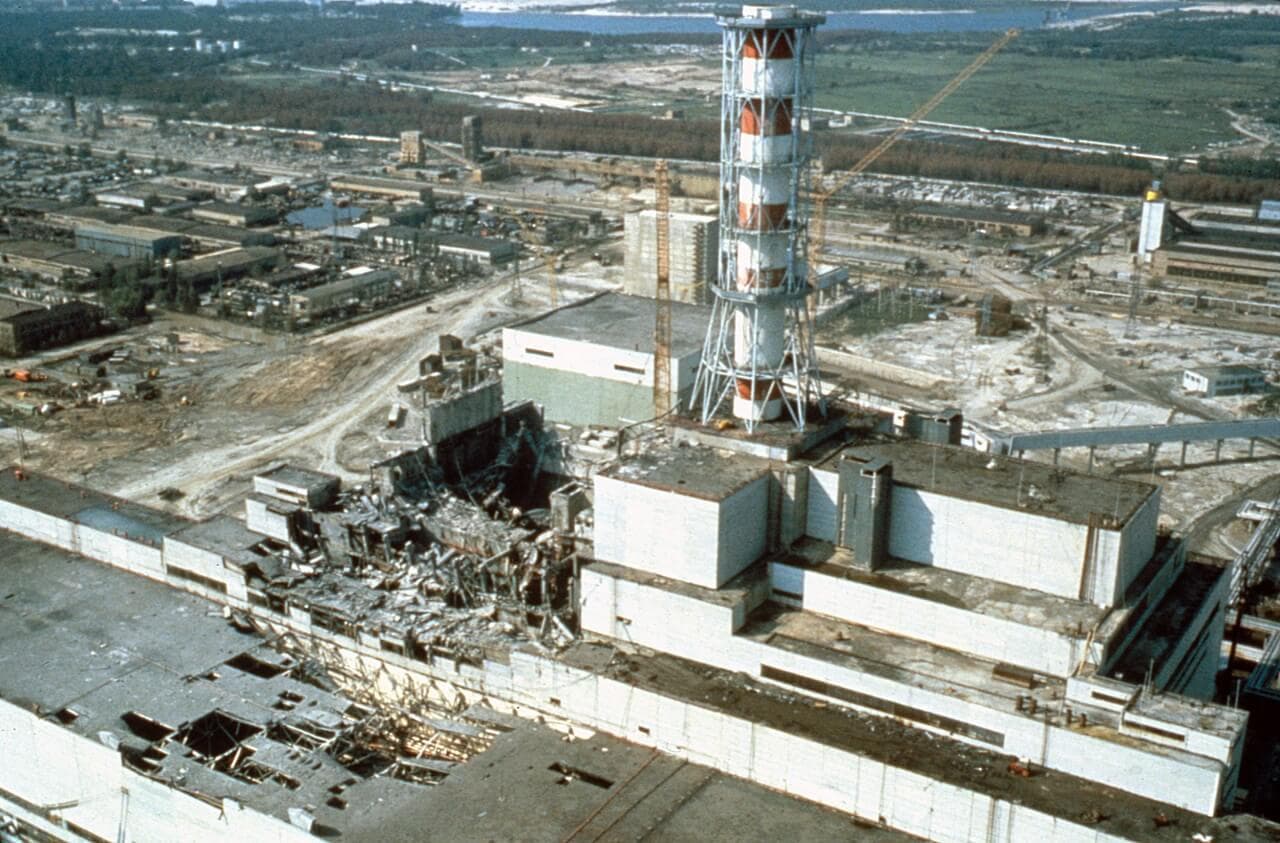
On 26 April 1986, an explosion occurred at Reactor No. 4 of the Chernobyl Nuclear Power Plant, located in present-day Ukraine. The accident remains the only nuclear incident in history to be classified as Level 7 - the highest rating on the International Nuclear Event Scale.
The explosion completely destroyed the reactor, causing widespread radioactive contamination across the surrounding area. It is regarded as the most catastrophic accident in the history of nuclear power generation, both in terms of the number of deaths and injuries, as well as the scale of environmental pollution and economic damage.
The radioactive cloud released by the explosion spread across the European part of the Soviet Union, Eastern Europe, Scandinavia, the United Kingdom and even parts of the eastern United States.
Around 60 per cent of the radioactive fallout was deposited on the territory of Belarus, while approximately 200,000 people were evacuated from contaminated areas. Thousands of people are believed to have died as a result of the disaster and its long-term consequences.
For the Soviet Union, the Chernobyl disaster became an event of enormous social and political significance. Investigations into its causes were delayed for years, while interpretations of the facts and analyses of the accident evolved over time. As a result, a complete and fully accurate account of the disaster has still not been established.
Chernobyl narrowly avoided another disaster four years ago, when the site was occupied by Russian forces during the invasion of Ukraine. Russian troops withdrew from the station on 31 March 2022, ending weeks of international concern over the safety of the nuclear facility.
Tags:
Chernobyl