
Tbilisi mayor dismisses EU sanctions talk, criticises ‘external influence’ on opposition
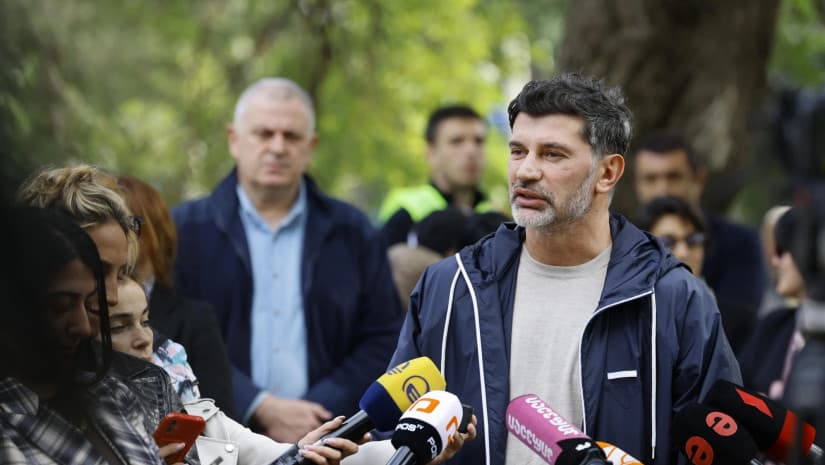
The mayor also criticised opposition groups, claiming that a recently announced alliance lacked ideological foundation and was driven by external influence

Author
Front News Georgia
Tbilisi Mayor Kakha Kaladze has rejected repeated warnings of possible sanctions against Georgia, saying the government will remain “uncompromising” when it comes to national interests.
Speaking to journalists on Wednesday, Kaladze responded to remarks by EU official Kaja Kallas, who raised the issue of sanctions following a meeting of EU foreign ministers in Brussels.
“How many times should sanctions be imposed? Once, twice, three times. We understand all this, but this is about the country’s interests,” Kaladze said, adding that Georgia would pursue what he described as a principled policy aimed at protecting its future and the interests of its citizens.
He also criticised what he called “European bureaucrats”, accusing them of relying on “superficial messages, threats and blackmail” rather than substantive arguments - particularly in relation to Georgia’s controversial transparency law. Kaladze also said the government had repeatedly asked why particular legislation was considered incompatible with European values, noting that similar measures were debated in some European countries.
On domestic politics, Kaladze said recent government reshuffles were routine and aimed at improving efficiency. He confirmed the creation of a new state ministerial role responsible for coordinating law enforcement agencies, to be headed by Mamuka Mdinaradze.
Kaladze claimed the position will oversee coordination between key institutions, including the Interior Ministry and the State Security Service, and represented a “significant and responsible” post. He added that personnel changes did not reflect problems within the government, but rather the need to respond effectively to ongoing challenges.
The mayor also criticised opposition groups, claiming that a recently announced alliance lacked ideological foundation and was driven by external influence. He said the unity had been “imposed from outside” and predicted its collapse, pointing to emerging disputes among its members as evidence.
Kaladze further alleged that opposition figures were acting against national interests and were influenced by external actors.
Tags: