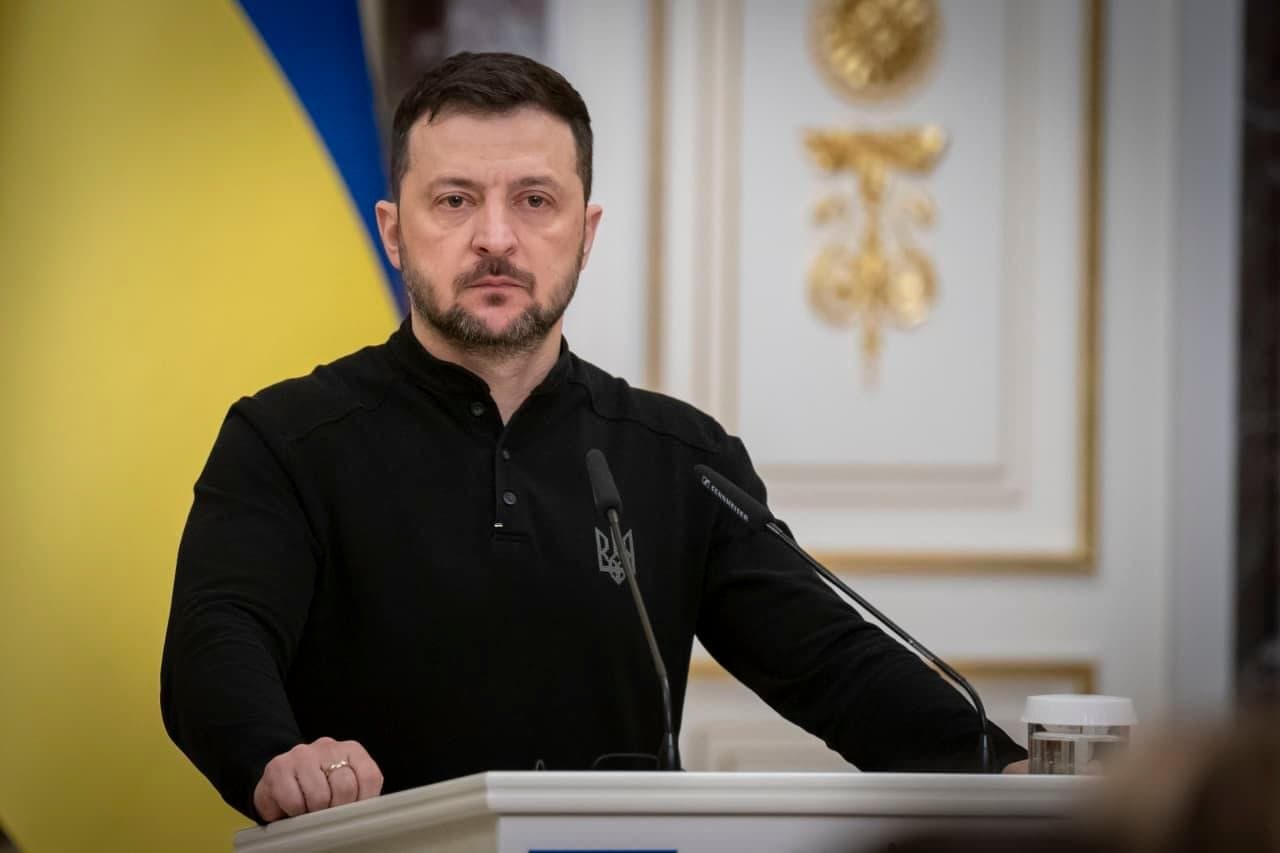

No cure exists for Duchenne, Georgian health minister amid protests over costly treatments
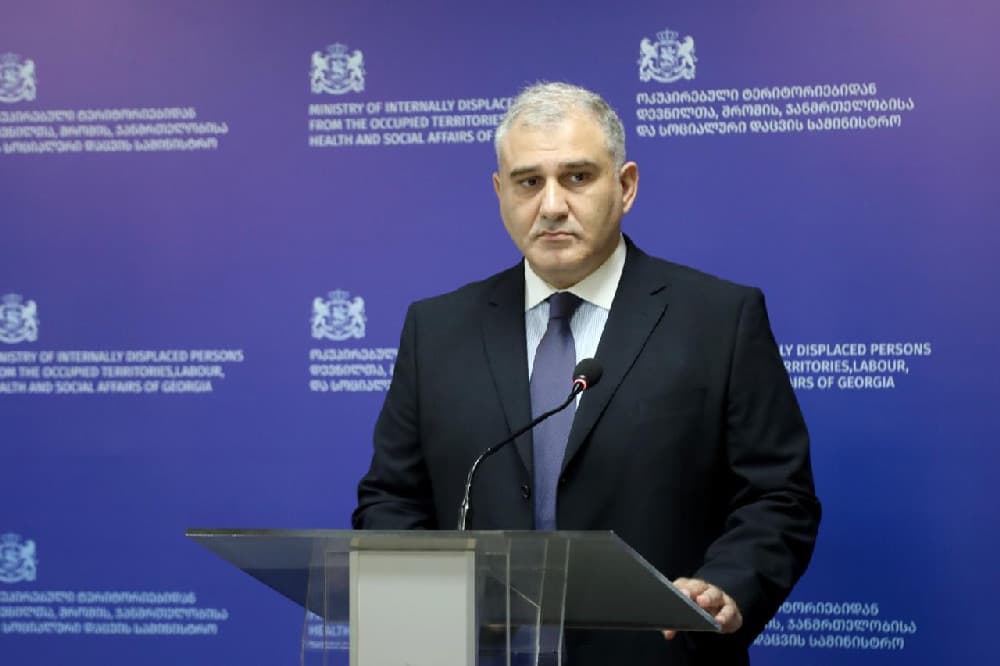
Sarjveladze said the government is continuing to assess treatment options

Author
Front News Georgia
Georgia’s Health Minister Mikheil Sarjveladze has said there is currently no medication in the world capable of curing Duchenne muscular dystrophy, as public protest intensifies over access to expensive therapies.
Speaking at a briefing on Tuesday, he said existing treatments can at best slow the progression of the disease, potentially delaying the need for a wheelchair by one to three years.
The minister also addressed calls to fund a high-cost drug, noting that had the government purchased one such treatment last year for approximately $3.2m per patient, European regulators would have rejected it shortly afterwards.
Citing a 24 July 2025 decision by the European Medicines Agency, he said the drug failed to demonstrate improved mobility outcomes compared to a placebo after 12 months. He added that safety concerns had also been raised, including reported deaths among children.
Sarjveladze further noted the US Food and Drug Administration had previously granted the drug accelerated approval but suspended clinical trials on 18 July 2025 following reported fatalities, and called on the manufacturer to halt distribution. Updated guidance later warned of risks including severe liver damage and acute liver failure, potentially with fatal outcomes.
He said other requested treatments similarly lack authorisation from the European regulator. One drug had conditional approval, but this was withdrawn in 2025 after 11 years, with regulators concluding that its effectiveness had not been confirmed.
Sarjveladze said the government is continuing to assess treatment options, focusing on safety and effectiveness, while also working to expand access to ambulatory, inpatient and diagnostic services for patients with rare diseases, including Duchenne.
He criticised what he described as the politicisation of the issue, but said the ministry would continue engaging with patients, families and medical specialists, and would provide regular updates as new information becomes available.
Tags: