
Alleged use of toxic agents on protesters constitutes crime against humanity, calls for international inquiry, former ombudsperson
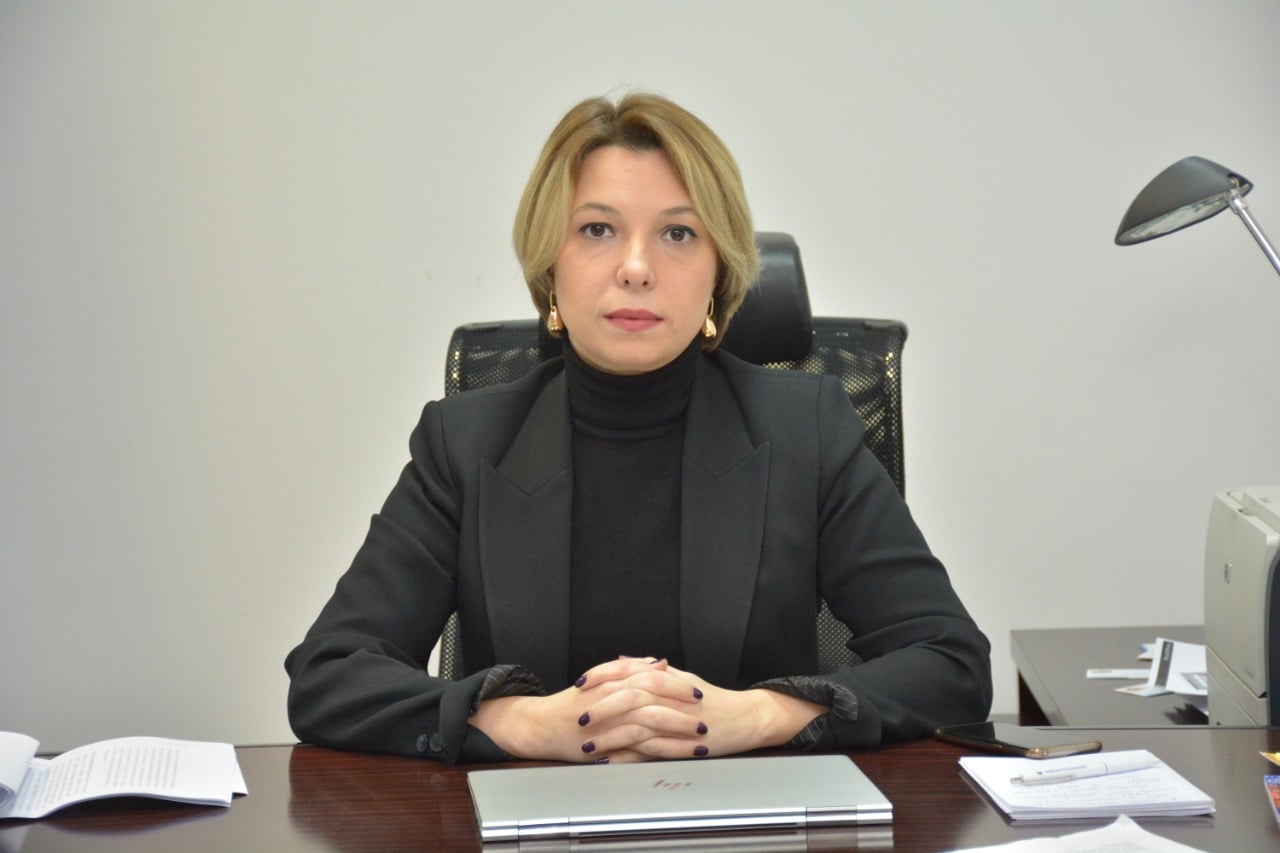
Lomjaria stressed that numerous cases of suspected chemical exposure during last year’s pro-European demonstrations have already been documented

Author
Front News Georgia
Former Public Defender and founder of Georgia’s European Orbit Nino Lomjaria on Tuesday said the allegations raised in the latest BBC investigation - that Georgian authorities used a World War I–era toxic chemical agent to disperse anti-government protests - amounted to conduct that could qualify as a crime against humanity, calling for an independent international investigation.
Lomjaria stressed that numerous cases of suspected chemical exposure during last year’s pro-European demonstrations have already been documented.
“Dozens of incidents have been recorded, including suspected poisonings with unidentified chemical substances. Even after all these months, the Interior Ministry still refuses to specify what chemicals were mixed with the water cannon jets,” she said.
According to Lomjaria, protesters were targeted with multiple tools simultaneously “to make the dispersal more harmful and more effective,” adding that when such methods are used on a mass scale, the actions fall under international criminal law.
“What we are dealing with already contains elements of a crime against humanity - an international crime,” she said.
Lomjaria also commented on the ruling Georgian Dream party’s announcement that it planned to initiate legal proceedings against the BBC over the investigation. She argued that such a move could ultimately benefit victims.
“It is telling that the announcement came not from the Interior Ministry but from the ruling party. And frankly, it is very good if they initiate proceedings - this means another international tribunal will be created where citizens will have the opportunity to present their evidence,” she said.
According to the BBC report, evidence gathered by chemical weapons experts, Georgian police special-unit informants, doctors, and protest participants indicates that the government may have used bromobenzyl cyanide - known in French military documentation as Camite, a choking agent developed during World War I. Protesters interviewed described prolonged symptoms including shortness of breath, coughing, vomiting, and persistent irritation following water-cannon exposure during demonstrations against the government’s decision to halt Georgia’s EU integration efforts.
Tags: