Responding to opposition lawmakers who claimed to have evidence of criminal offences, Kvizhinadze said such information should be submitted directly to prosecutors

Author
Front News Georgia
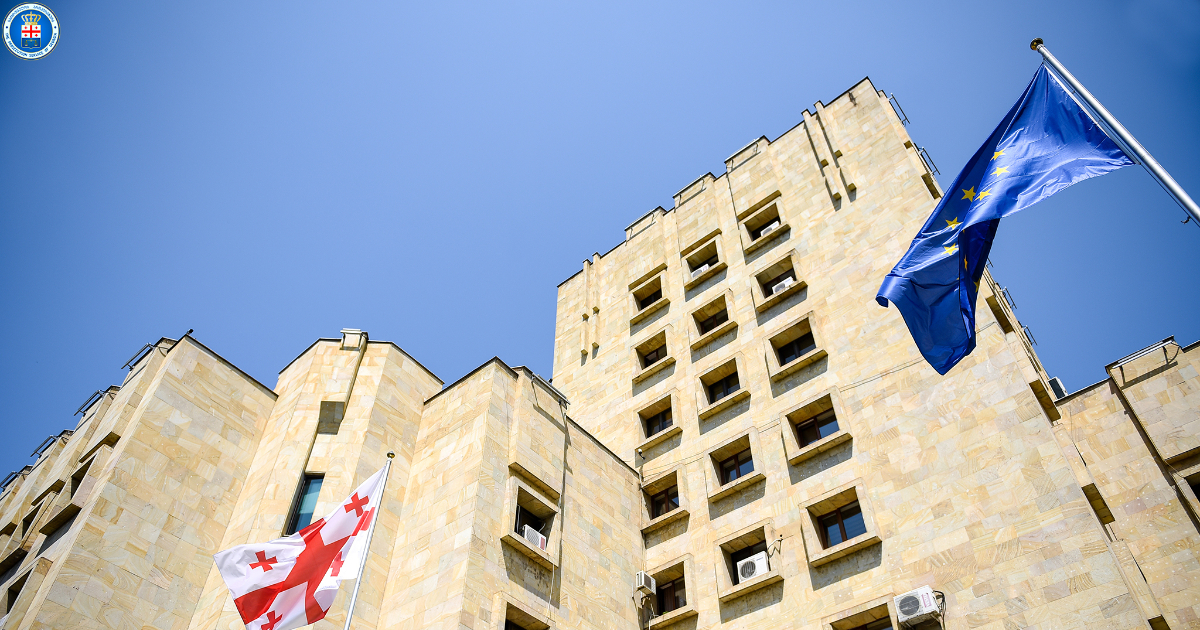
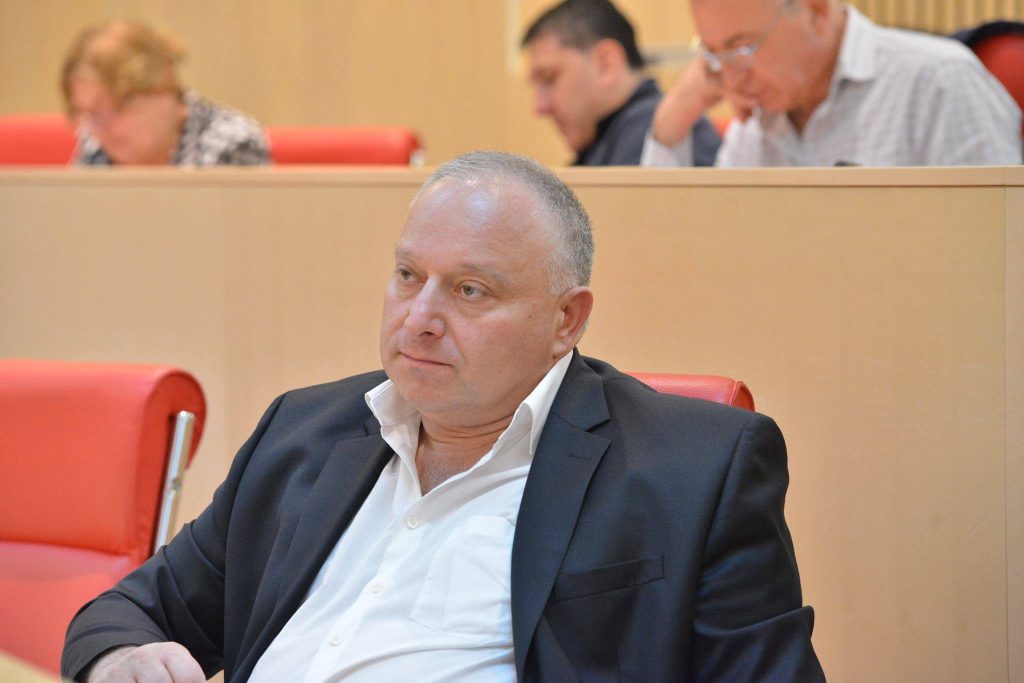
The chairman of Georgia's parliamentary Budget and Finance Committee, Paata Kvizhinadze, has defended the work of the State Audit Office, describing it as one of the country's most successful public institutions and rejecting opposition criticism over corruption oversight and public spending.
Speaking during a parliamentary debate on the State Audit Office's 2025 activity report, Kvizhinadze said the institution's credibility stemmed not only from the quality of its staff and findings but also from external scrutiny by major international auditing firms.
"The State Audit Office is one of the most successful organisations today," Kvizhinadze said. "It is not only because it employs highly qualified professionals and produces strong reports, but also because it is audited by the Big Four auditing firms."
According to Kvizhinadze, the office has received unqualified audit opinions – the highest level of assurance – for eight consecutive years.
He also cited a Public Expenditure and Financial Accountability (PEFA) assessment conducted by the World Bank, saying the audit office had received the highest possible score in the most recently published evaluation.
Kvizhinadze further noted that both the World Bank and the Asian Development Bank had requested audit services related to projects implemented in Georgia, describing this as evidence of international confidence in the institution.
During the debate, the committee chair also addressed concerns raised by opposition lawmakers regarding procurement practices, corruption and audit findings.
He said the share of public procurement conducted through simplified procedures had fallen significantly over the past decade.
"Simplified procurement accounted for 51% over a 12-year period. Today it stands at just over 10%," he said.
Kvizhinadze argued that opposition politicians often mischaracterised cases of delayed or incomplete projects as lost or misappropriated funds.
"If a road is not completed, for example, that does not mean the money has been stolen," he said. "It means the work was not completed and payment was not made. The project may be delayed, but the money has not been lost."
He also said the State Audit Office now has access to all government institutions, unlike in previous years when some security and defence bodies were beyond its reach.
"Today there is not a single organisation that is exempt from audit," Kvizhinadze said, adding that recent audits had included the State Security Service, the Interior Ministry, the Defence Ministry and the Prosecutor's Office.
According to Kvizhinadze, the audit office's role is to examine financial management and compliance rather than assess political or policy decisions.
"The audit office does not evaluate whether decisions are right or wrong. It examines accounting, assets, administrative spending, travel expenses and related financial matters," he said.
Addressing allegations of corruption, Kvizhinadze pointed to international indicators published by the European Union and argued that Georgia performs relatively well compared with many countries.
He also disputed claims that wrongdoing goes unpunished, saying several officials had already faced legal consequences.
Responding to opposition lawmakers who claimed to have evidence of criminal offences, Kvizhinadze said such information should be submitted directly to prosecutors.
"If you are 100% certain that a crime has been committed, go to the Prosecutor's Office and report it," he said.
He added that the State Audit Office had referred 17 cases to prosecutors and stressed that identifying potential criminal conduct and notifying law enforcement authorities was part of its responsibility.
Tags:
Paata Kvizhinadze