

US arms deliveries to Europe, Ukraine face delays amid Middle East conflict, Reuters
For years, Washington had encouraged its NATO allies to prioritise the purchase of US-made arms. Now, according to the report, some European officials argue that the US is struggling to meet its commitments

Author
Front News Georgia
Arms shipments from the United States to European countries under previously signed contracts are likely to be delayed due to the ongoing conflict in the Middle East, according to a report by Reuters, citing US and European officials.
Sources said the disruptions affect contracts that had already been agreed and paid for, involving several strategically important countries across the continent. Concerns are said to be most acute in the Baltic region and Scandinavia, where states bordering Russia view timely weapons deliveries as critical to their security.
The reported delays are expected to impact a range of munitions, including systems used for both offensive and defensive purposes. European countries are also continuing to supply weapons to Ukraine, raising fears that any disruption could have wider consequences for regional defence readiness.
US officials have already informed their European counterparts about the expected delays, the report said.
According to the sources, pressure on US stockpiles has been building for several years. Since 2022, Washington has supplied significant military aid to Ukraine following Russia’s full-scale invasion. From late 2023, it has also supported Israel’s military operations in Gaza. More recently, a direct confrontation with Iran - reported to have begun with large-scale air strikes on 28 February - has further strained available resources.
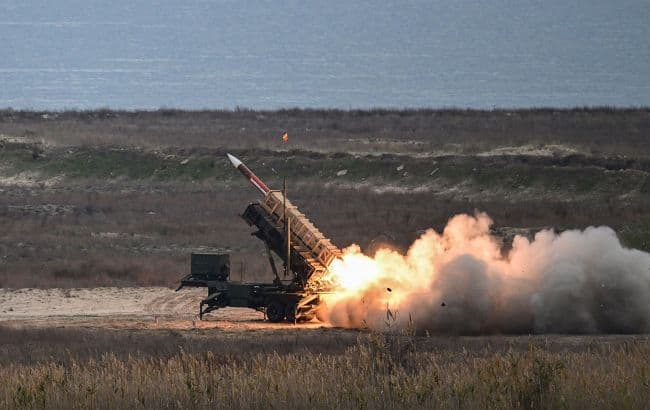
Air defence systems are said to be particularly affected. Iran has launched hundreds of missiles and drones towards countries in the Persian Gulf, prompting the US to make extensive use of MIM-104 Patriot PAC-3 interceptors. These systems are also considered essential for Ukraine in defending against Russian ballistic missile attacks and for European countries seeking to strengthen deterrence.
Frustration is reportedly growing in several European capitals, where officials warn that the delays could leave them in a more vulnerable position. Some have begun calling for a shift towards domestically produced European weapons.
For years, Washington had encouraged its NATO allies to prioritise the purchase of US-made arms. Now, according to the report, some European officials argue that the US is struggling to meet its commitments.
Officials in the White House, however, have criticised European allies for what they describe as limited engagement, arguing that resources are urgently needed in the Middle East, including efforts related to securing maritime routes such as the Strait of Hormuz.
Tags: